






Fighting for a better life: connecting global stories
Individuals from around the world are traveling to fight as soldiers-for-hire in the Russia-Ukraine conflict. What connects them is a search for a better future.


Last December, I was in Miami reporting on the Cuban diaspora when a source casually mentioned Cuban soldiers being sent to Russia to fight in the war against Ukraine. I made a mental note to follow up with my colleagues reporting regularly from Ukraine, but wondered: How would we tell this story? How – and why – are citizens from halfway around the world ending up on the front lines of a war that has nothing to do with them or their nation?
It turns out, editors across our international desk were hearing similar anecdotes – from Nepal to Botswana to Colombia. Although our team is spread around the globe, our daily meetings where we discuss what we’re covering – and what we should be reporting next – keep us closely connected.
This is a space to throw out half-baked ideas and question colleagues about news we may not understand from their patch of the globe. And it often serves as an incubator for international spreads like this week’s multicontinent feature on how foreign mercenaries have ended up on the front lines of the Russia-Ukraine conflict.
Our foreign desk editors noticed independently that people from their regions were leaving to fight as mercenaries in the Russia-Ukraine conflict. Together, they found a global story.
The number of foreign fighters-for-hire in Ukraine increased in 2025, according to a recent report by the Ukrainian government’s “I Want To Live” project, an initiative that provides avenues for Russian fighters to voluntarily surrender. On average, two-to-three citizens of countries other than Russia are captured in Ukraine per week, the report cites. Nearly 7% of all prisoners of war in Ukraine today hail from more than 40 countries around the globe.
What started as a colleague mentioning a story pitch about a Botswanan who was duped into enlisting in the Russian military to fight in Ukraine – and then escaped – transformed into bigger questions about what this recruitment process looks like, and how it has worked so successfully. Why are certain nationals targeted, like combat-hardened Colombian veterans?
Deepen your worldview
with Monitor Highlights.
Politics with respect
Get political stories with respectful analysis.
There‘s a world of new ideas in every
Books newsletter.
There‘s more to life, enrich yours with
Culture & Learning weekly.
Follow humanity‘s discoveries with
Science & Nature stories in your inbox.
Gain a spiritual perspective
from the stories in your inbox.
Want to understand the deeper impact of critical events? Learn the Monitor‘s insight.
Already a subscriber? Log in to hide ads.
It turns out that even if the recruitment tactics vary, there’s one thing these African, Asian, and Latin American recruits fighting for Russia, and in some cases Ukraine, have in common: a desire to improve their quality of life.
I’m grateful to be part of a team that can connect the sometimes isolated dots crossing our desks into a global perspective that tells this bigger story.

 From the EditorsTurning a lens on landscapes
 It’s now the EU’s turn to avert a trade conflict with China
 From the MagazineScrolls, not screens: Tibetan calligrapher brings his art to the next generation
 From the EditorsChildhood in wartime
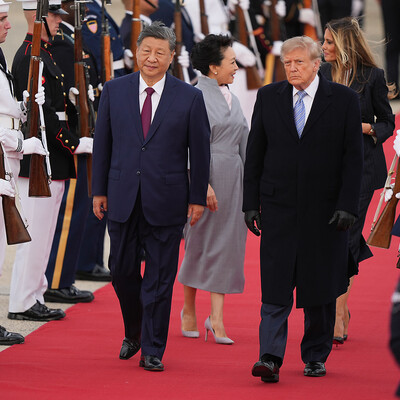 The new West: US allies find ways of coping with Trump administration
 From the EditorsWhat it takes to rebuild
 Recounting cockpit struggle on FlyDubai flight, Israeli passengers return home
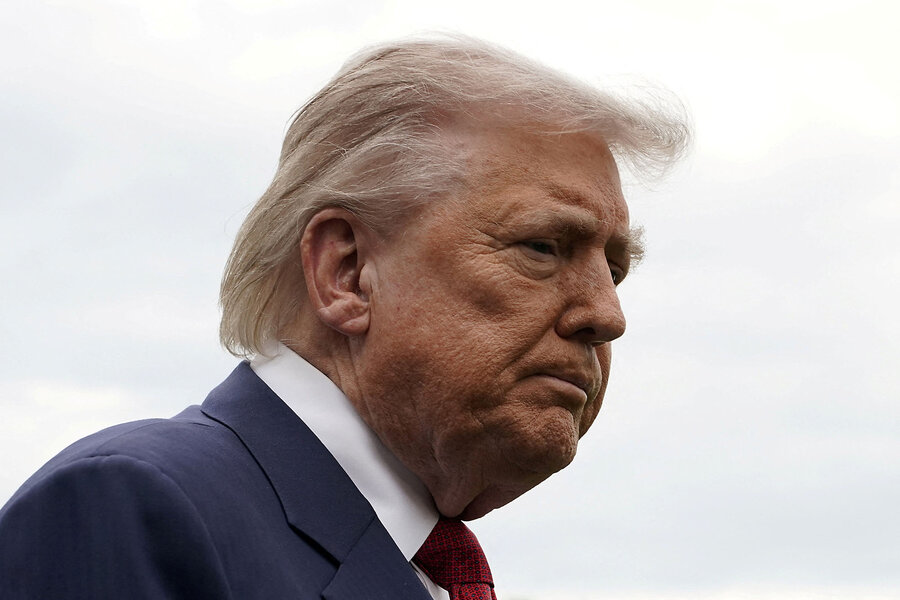 Trump is moving fast and breaking things. He could pay in November.
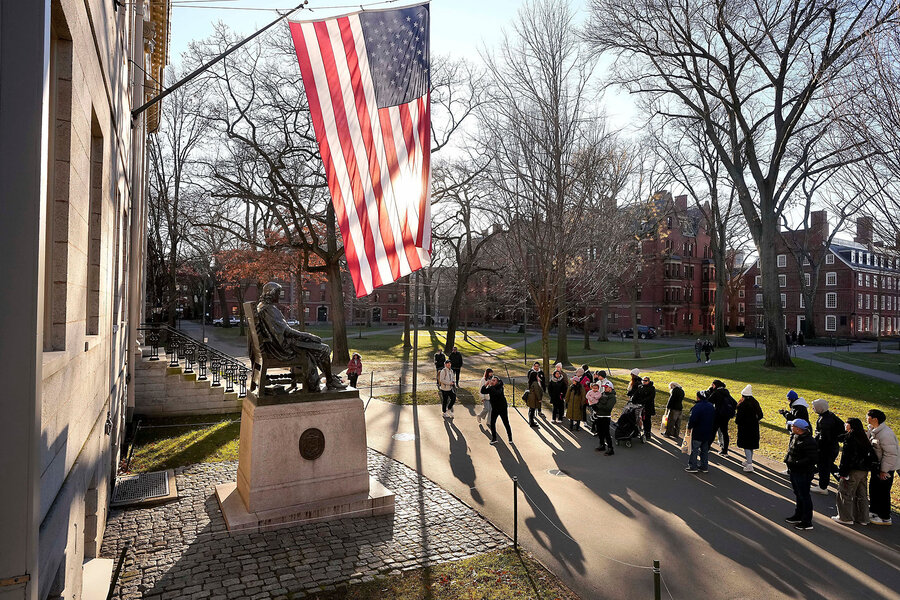 How colleges are responding to Trump administration’s ‘call to action’
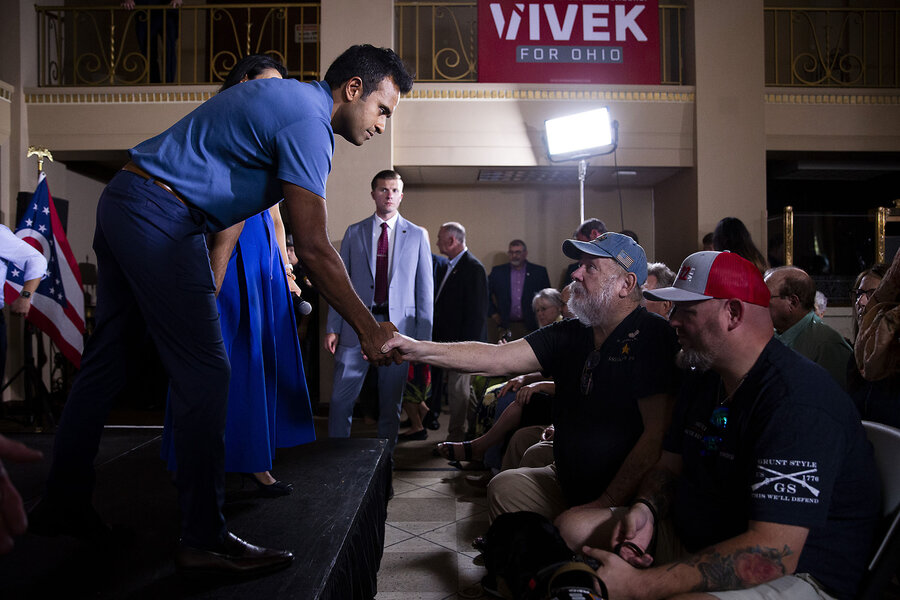 As MAGA turns toward ‘heritage Americans,’ Ramaswamy hopes it doesn’t leave him out
 Hoping to push the US away, Iran’s strategy is to go on the offensive
 The US wants a Ukraine peace deal. Here’s why Russia isn’t biting.